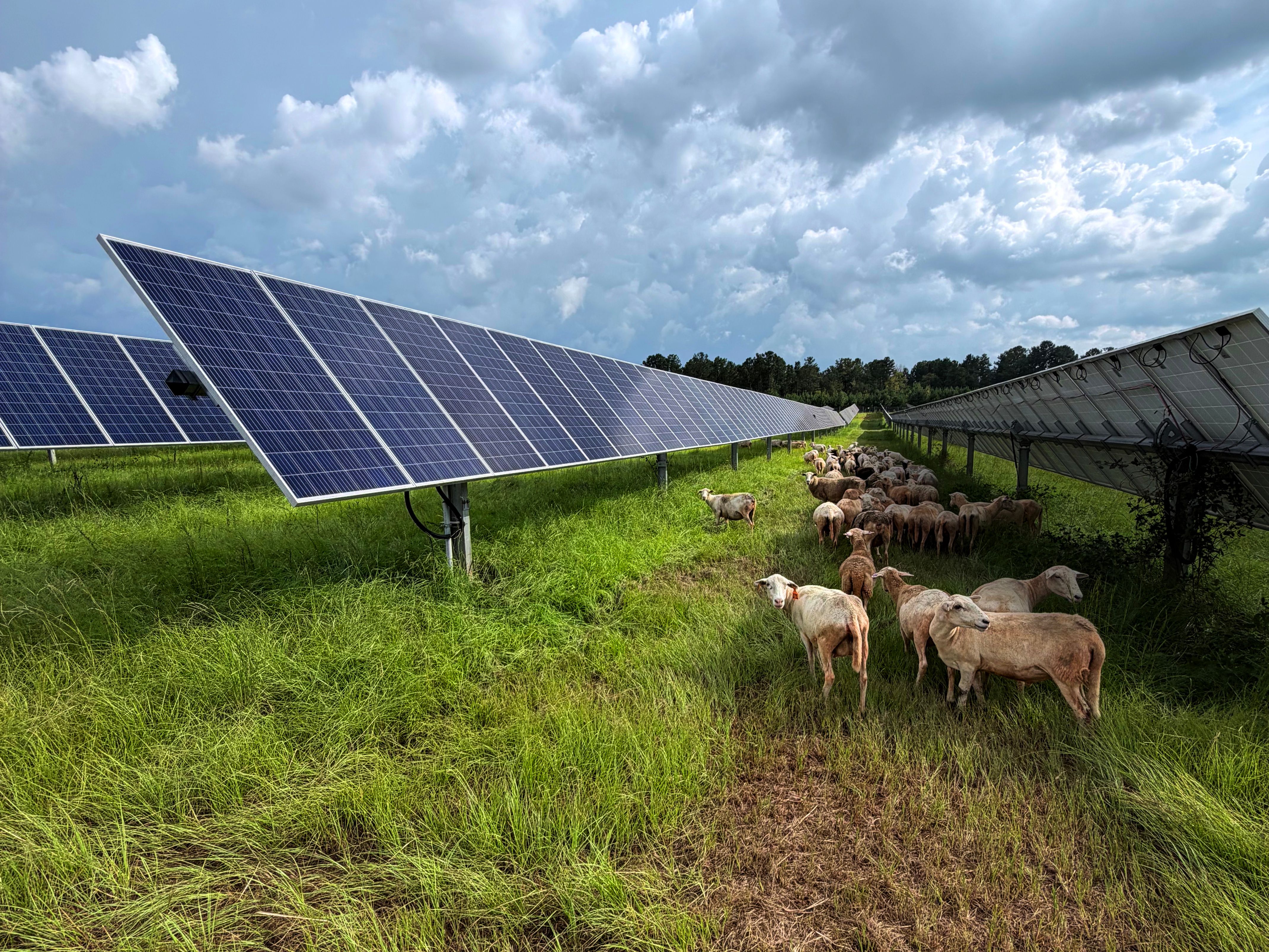
Grazing under panels brings in more than farming as-is.
The yield numbers are still a rough guide. Your advisor, utility and county decide whether it gets built.
Sheep pasture near an existing power line
Draw your land on a map. We pull the soil, sunlight, weather and power lines for that spot. Then we lay out your options side by side: keep farming it, lease it for solar, or graze and grow under panels.
Sometimes the answer is keep farming it. We'll tell you that too.
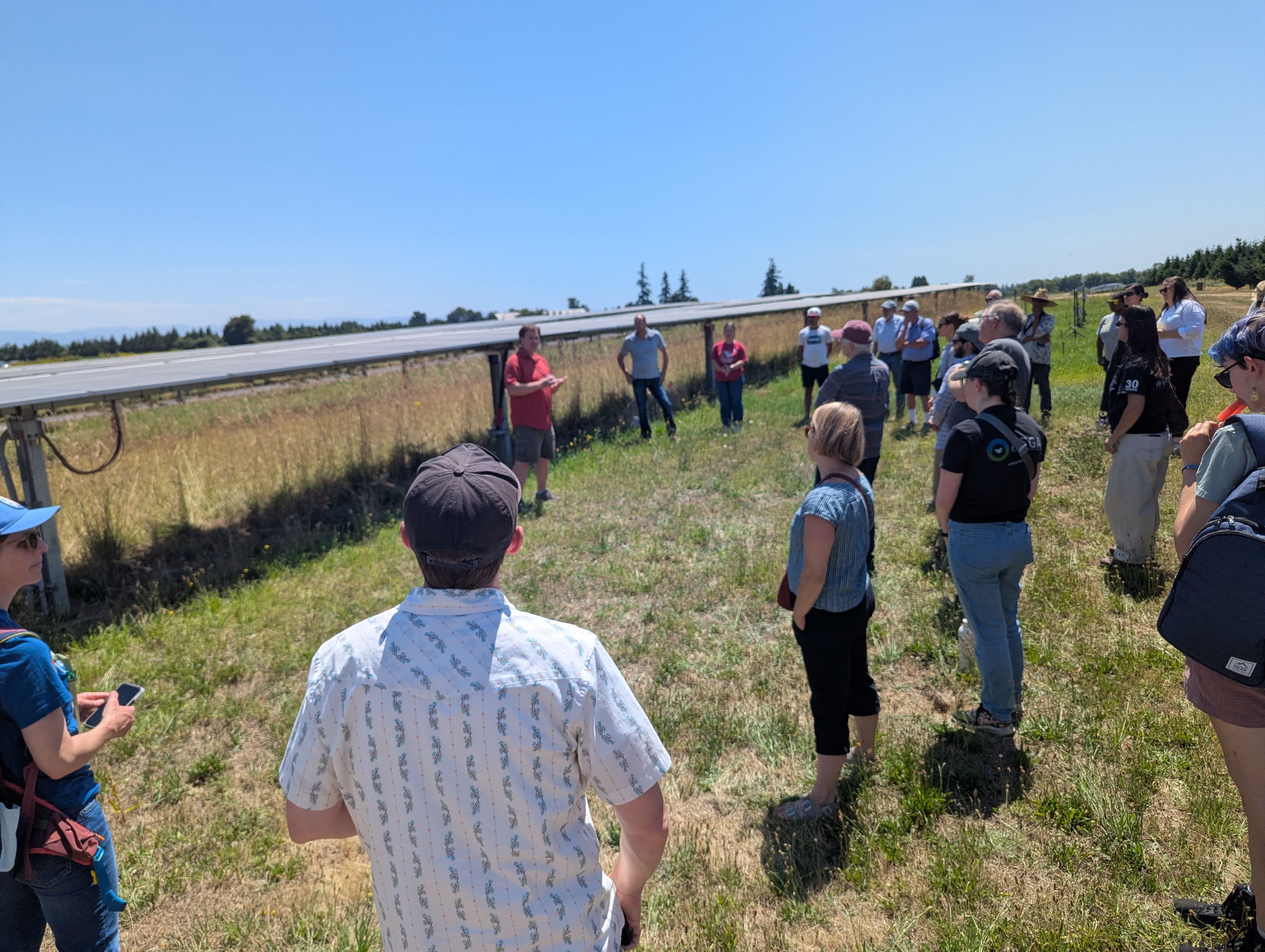
More than 50 farmers, ranchers and researchers walked the panels with us and tried the tool at an Oregon field day in July 2026.
A developer's letter comes with a rent number per acre. It doesn't say what happens to your water, your hay, or what the whole farm earns over twenty years. Too often the call gets made on the developer's numbers and a gut feeling. A lease can tie up land for twenty years or more.
The lease rate is what a developer offers. Nobody on your side has checked it against what the land brings in now.
If the nearest line that can take the power is miles away, hookup costs can sink the project. The tool checks that first.
Dryland hay and irrigated berries get different answers. A county average can't tell them apart. We run the numbers for your site.
The answer comes from your land, your crop and the grid near you. Here's what four of them can look like.
The yield numbers are still a rough guide. Your advisor, utility and county decide whether it gets built.
Sheep pasture near an existing power line
Wide rows, a taller layout, or letting the sheep do all the mowing would fix it.
Hay ground with a 14 ft mower
The nearest line that could take the power is more than 3 miles away.
Irrigated ground far from the grid
Water and yield decide this one, and those numbers for this crop aren't ready. We won't guess.
A crop the research hasn't covered
Sample screens from the tool. Your land gets its own answer.
Tap the corners of the land you're considering on a map.
Soil, sunlight, weather, slope and nearby power lines come from public data for that spot. Anything we fill in carries a tag, and you can change any of it.
Keep farming as-is, lease for solar, grazing under panels, or crops between panel rows. Side by side, twenty years out.
Fit, caution, not a fit, or we don't know yet. Then the reasons, and what would change them.
Tap any number to see how sure we are. When we don't know, we say what would tell us.
What the panels would bring in, next to what those acres bring in now.
Shade cuts evaporation, so less water may go in. This is our strongest number, built on university water research.
How much the ground grows under and between the panels. The research is early, so treat it as a rough guide.
We measured it, or it's public record for your land.
Regional numbers, close to your farm but not from it.
Early research. Treat it as a rough guide.
We don't know yet, and here is what would tell us.
Farmers helped shape it, and farmers test it as we build.
We don't sell your name to a developer. Nobody calls you after.
The water and yield models come from university field research.
Take the numbers to your banker, your lawyer or your family. The decision stays yours.
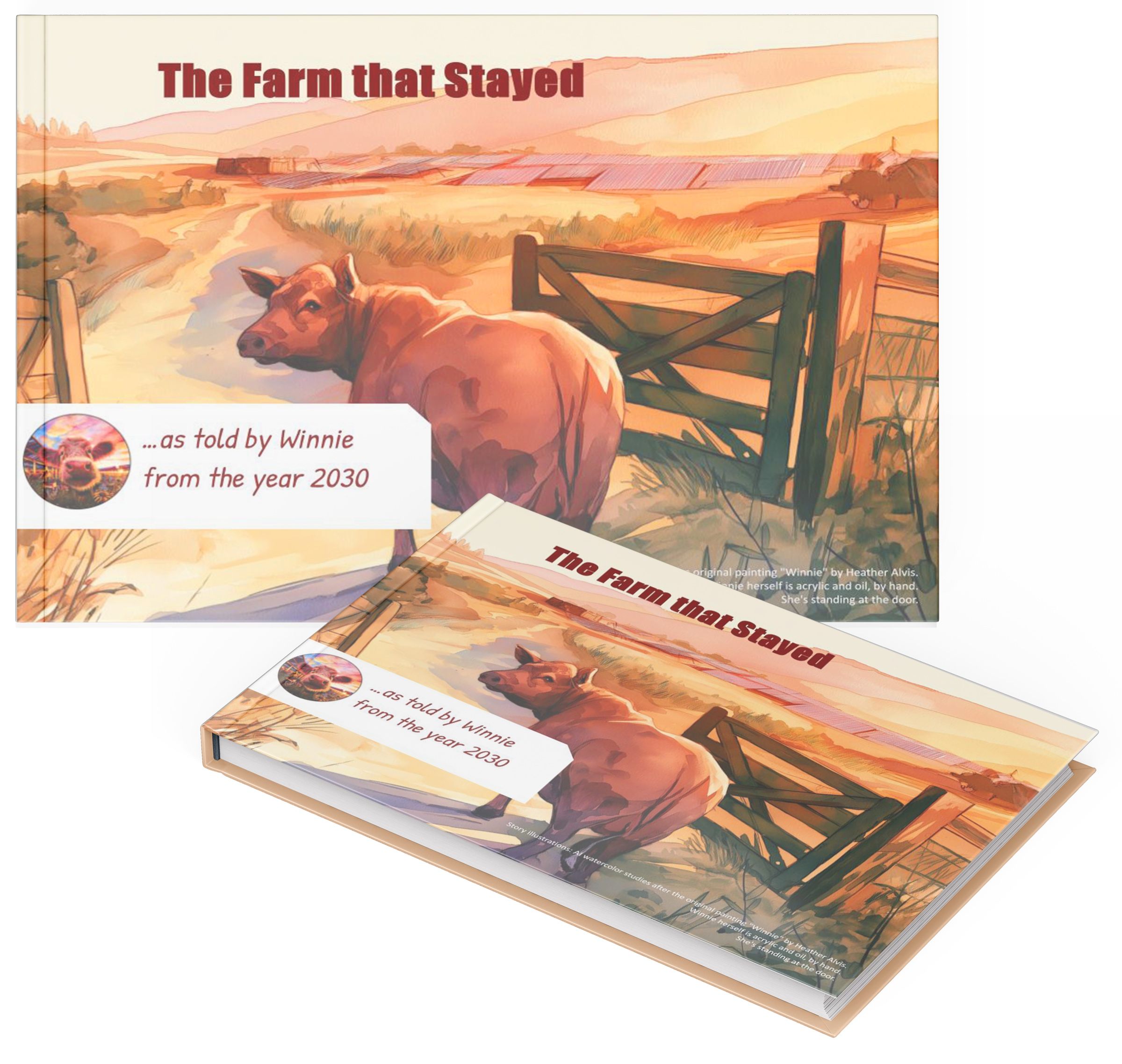
Winnie the cow tells what happened when three farms in her valley ran their numbers.
"Dolores, two counties over, got a flat no. The hookup to the substation cost too much, and her irrigated ground was too valuable as-is. A month later, Ray's cousin got the opposite. Three farms, three different answers. That's when Ray started trusting it."
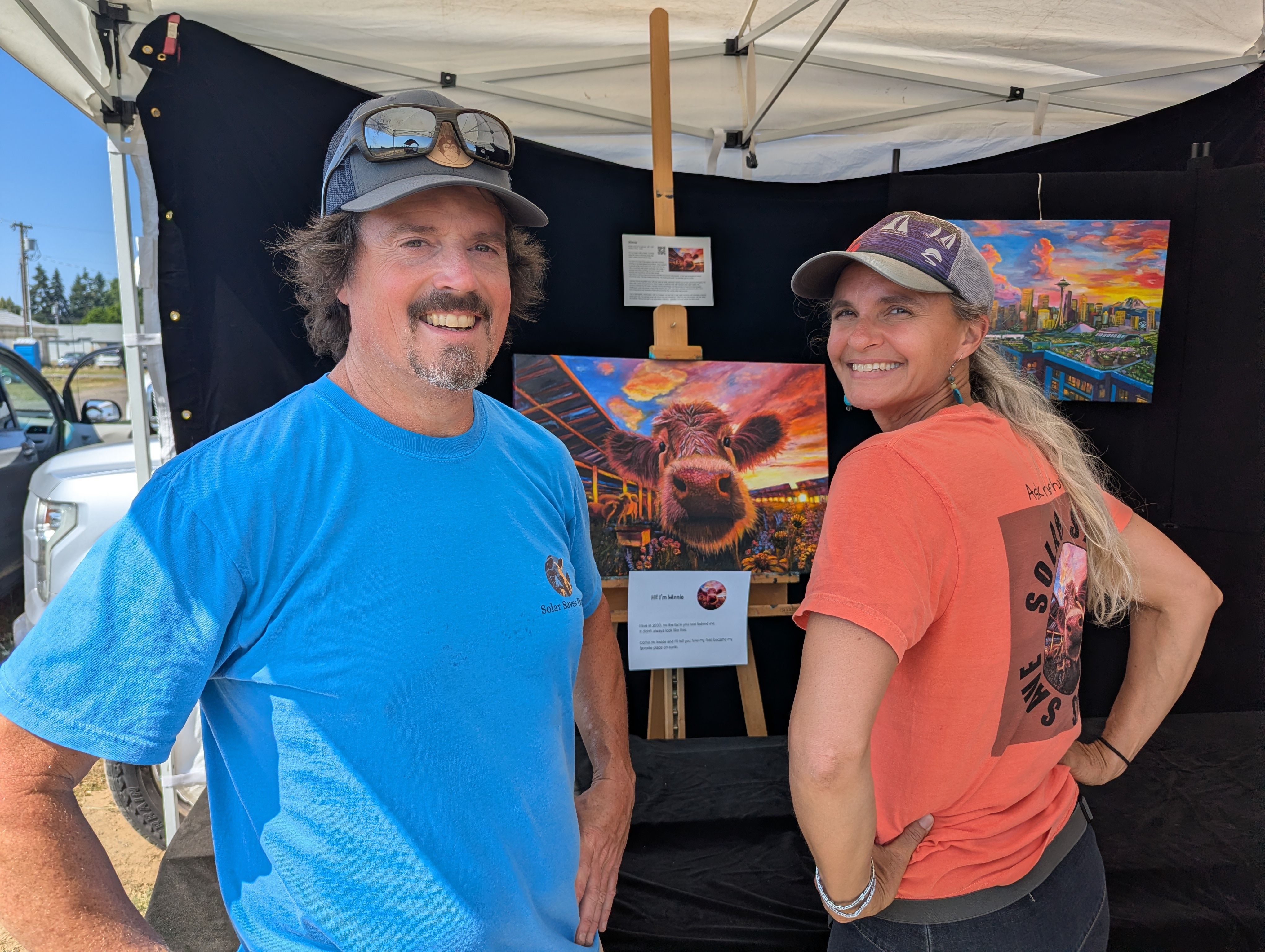
UPF sun hoodies (some call them sunshirts) for people who work outside all day. Each one carries original artwork by Heather Alvis of solar on working land.
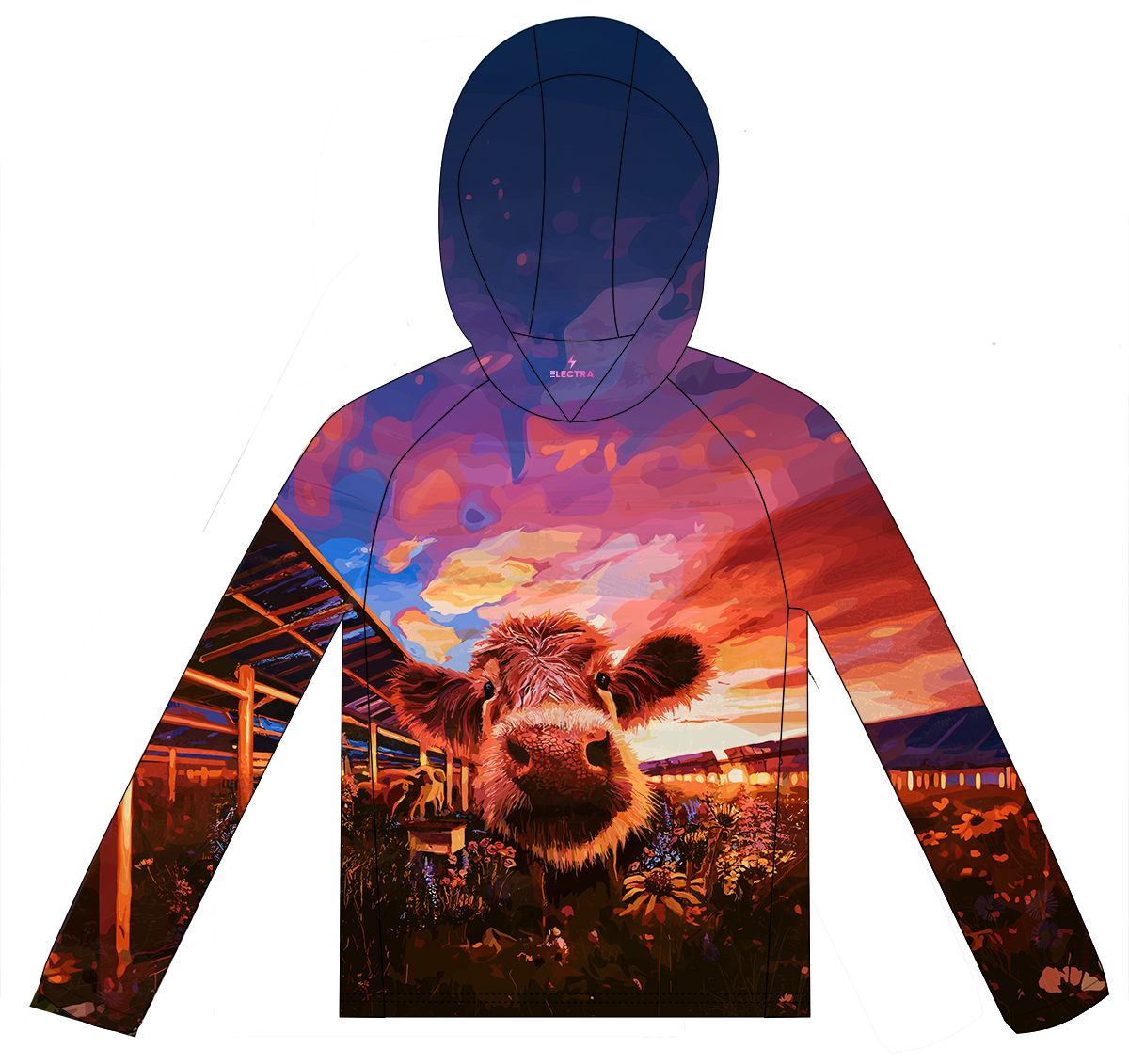
Sale price $78, regular price $85
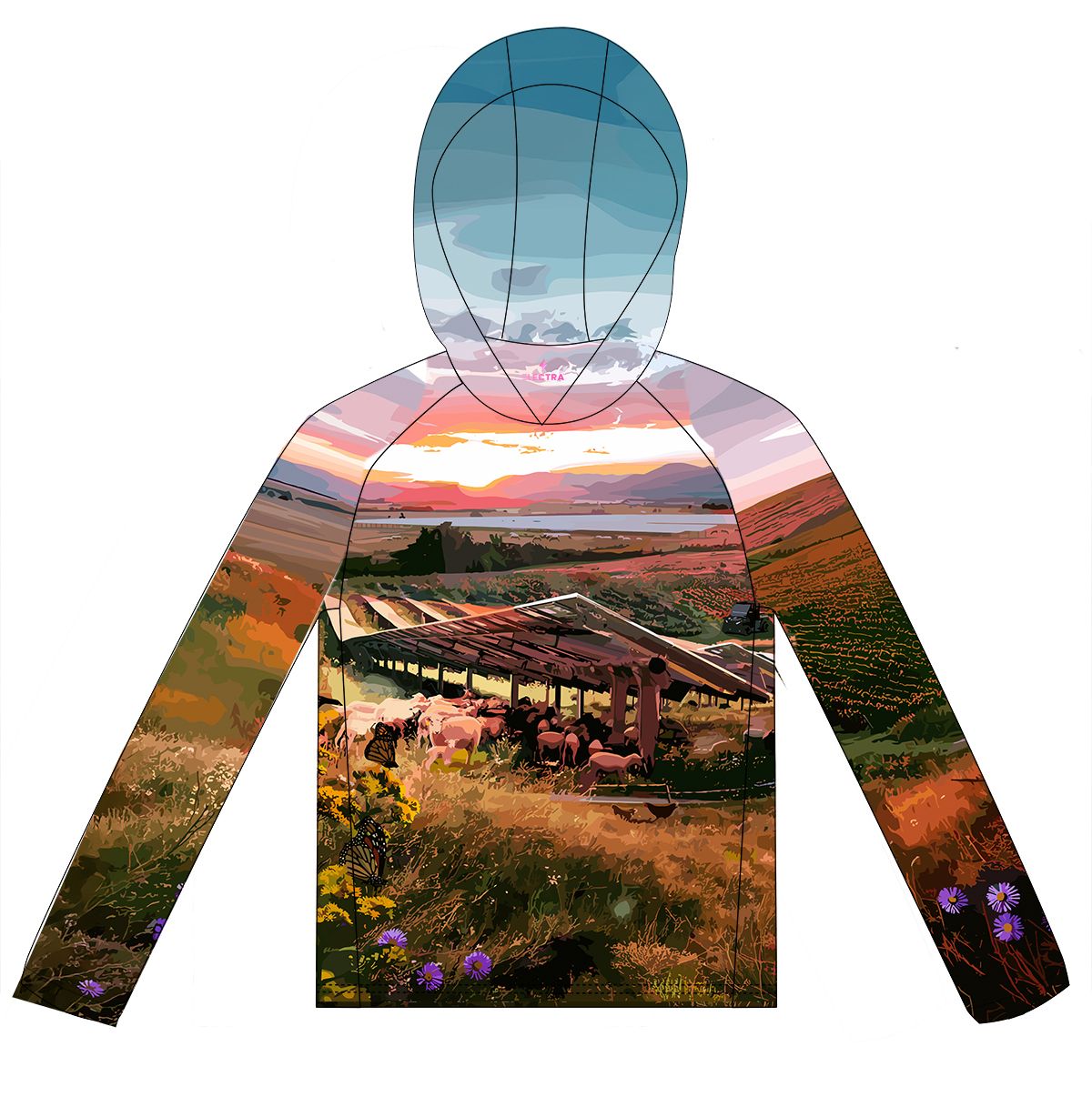
Sale price $78, regular price $85
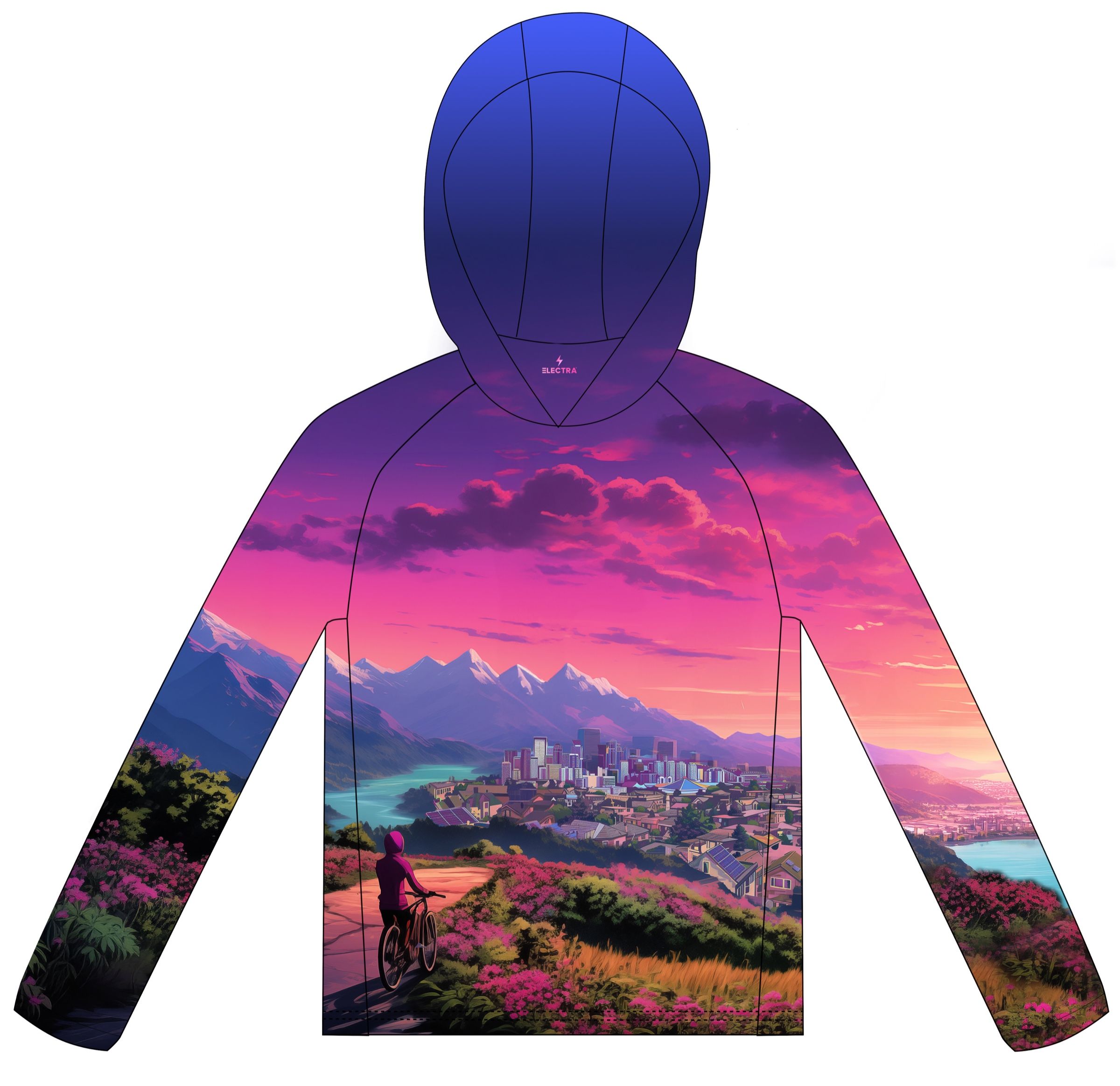
Sale price $78, regular price $85
No booth this year. Find us on LinkedIn or the attendee list, email hello@goelectra.io, or book a time below and we'll meet you there.
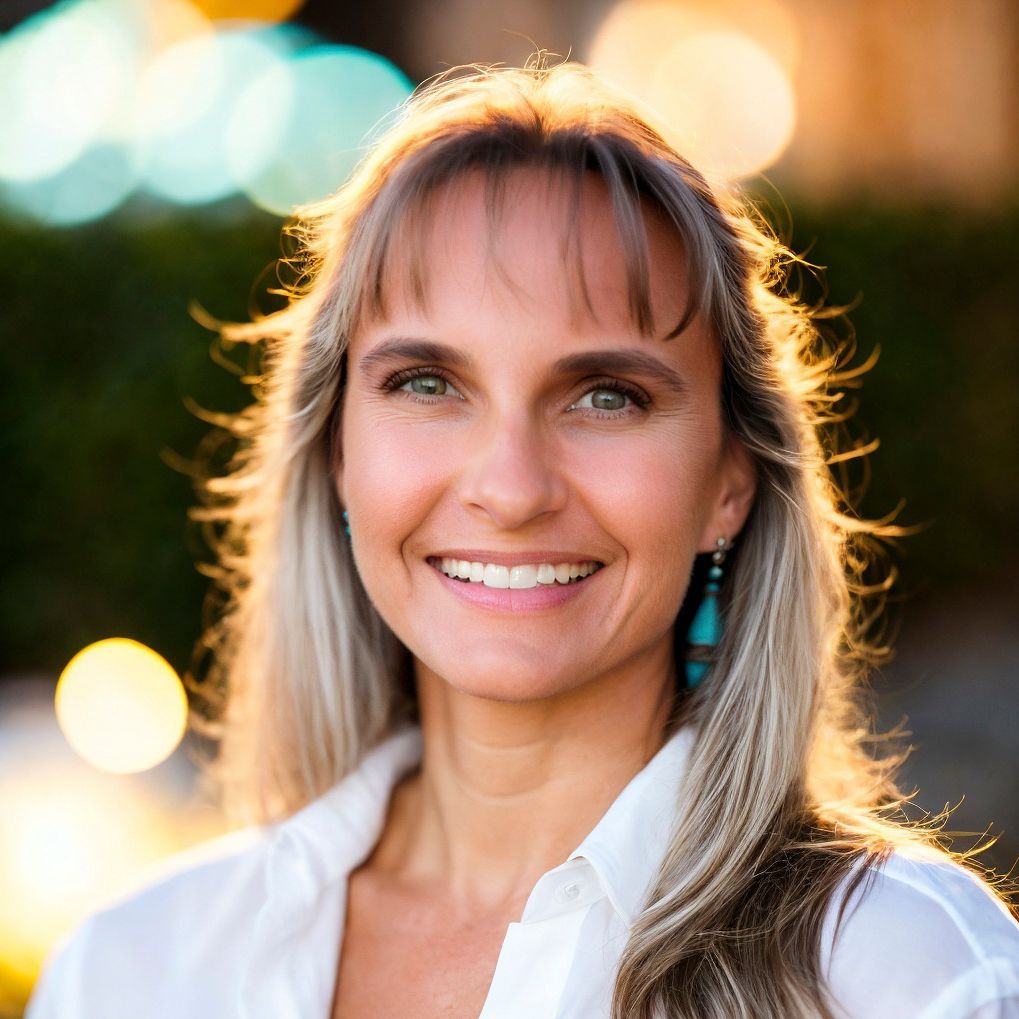
Founder of Electra and a painter for about thirty years. Leads product and design for Farm Solar Fit, from the first map screen to the farmer's answer.
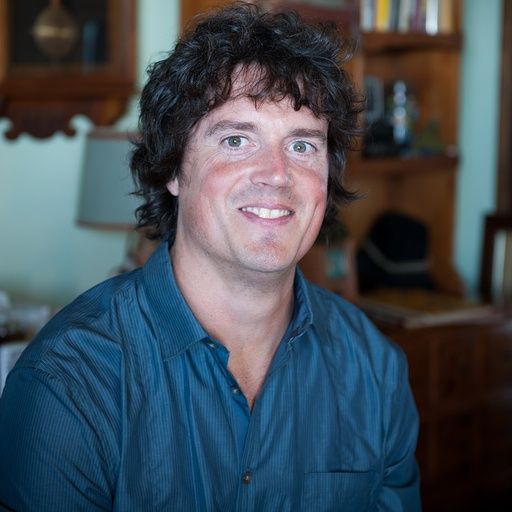
Electra co-founder. Leads the technical build, the data behind every number, and how the models fit together.
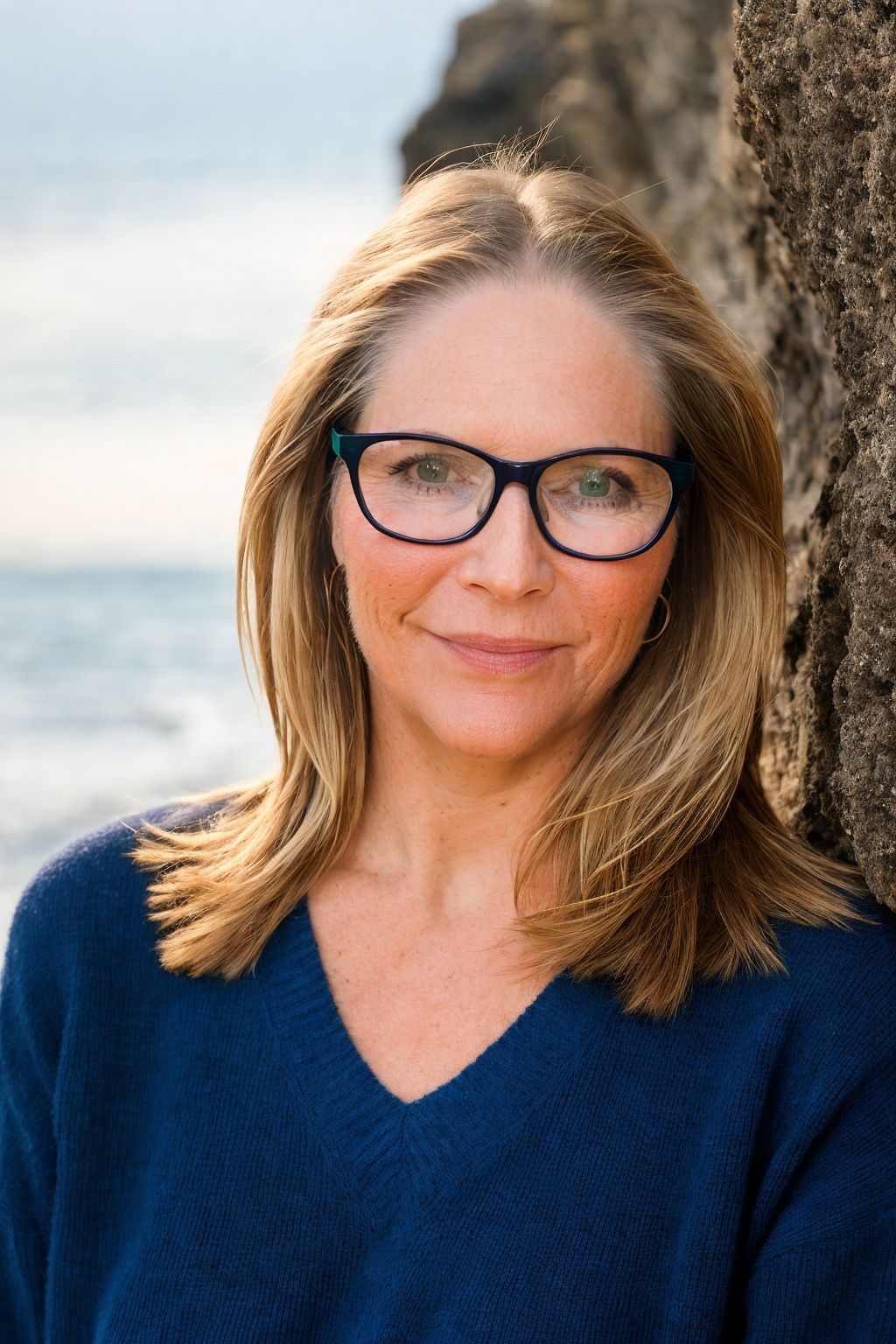
Electra co-founder. Brings regenerative ranching, land rehab and real estate experience, and leads the story and outreach.
We're building Farm Solar Fit with farmers in Oregon and Washington, with university research partners behind the water and yield models. Our USDA proposal is under review. Farmers will always use it free.
We'll walk through the tool on a map of your place, or one like it, and answer your questions. If solar is a bad match for your land, you'll hear it from us.